Common Diagnostic Tests
Learn about clinical diagnostic tests, fasting guidelines, processing timelines, and what the results indicate.
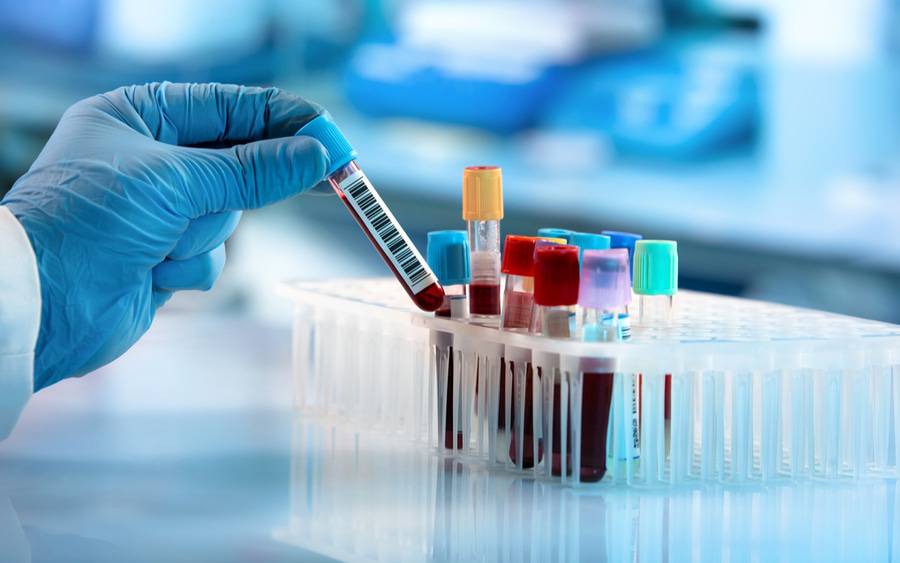
Blood Test
Evaluates biochemical values, mineral composition, immune defenses, and basic organ status indicators.
Typically demands fasting for 8 to 12 hours depending on target sub-panels.
Comprehensive snapshot of metabolic rates, vascular health, and systemic risks.
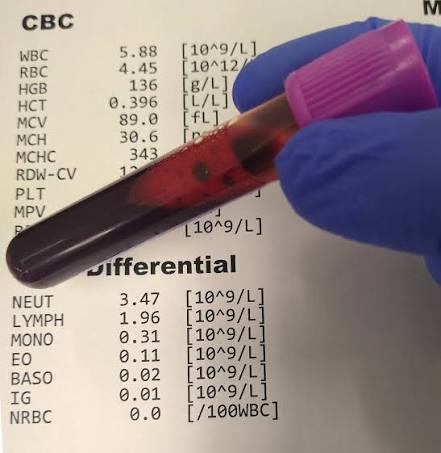
Complete Blood Count (CBC)
Tracks red cells, white cellular distributions, platelets, and hemoglobin values.
No specific fasting guidelines. Maintain standard hydration.
Diagnoses anemia thresholds, active internal infections, and coagulation anomalies.
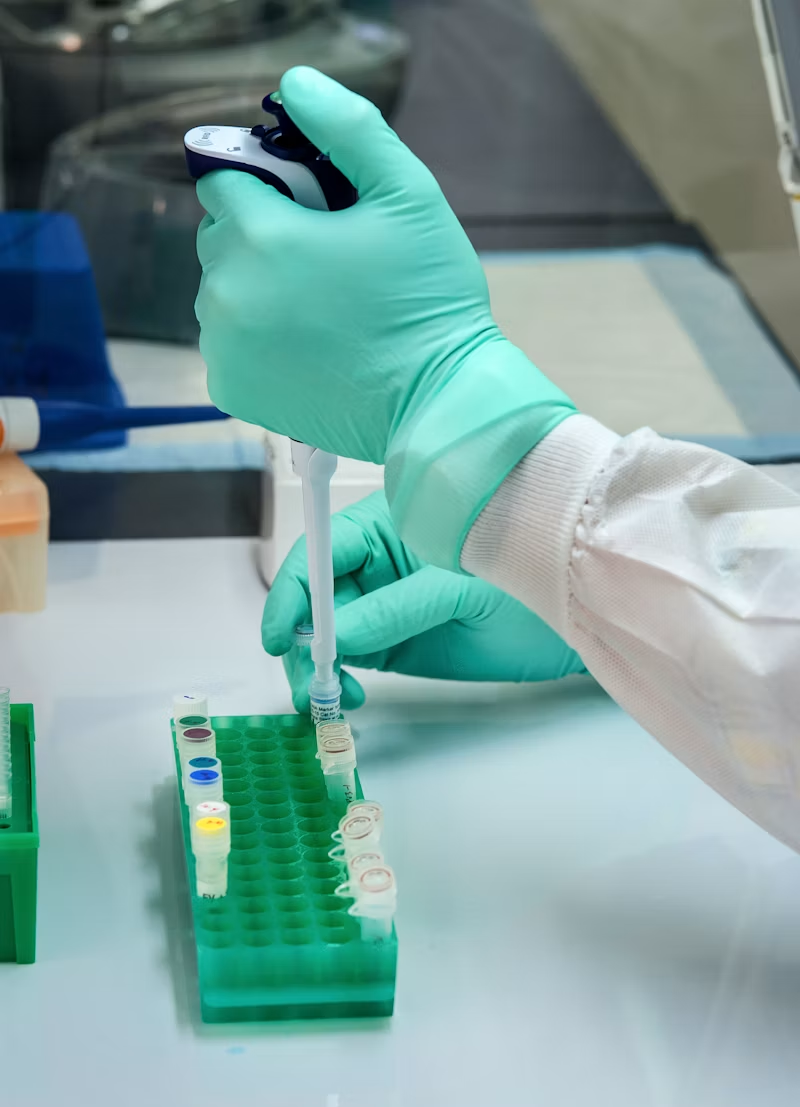
Lipid Profile
Measures total cholesterol, LDL, HDL, and triglyceride concentrations in serum.
Requires water-only fasting for at least 10 to 12 hours before draw.
Assesses cardiovascular plaque risk factors and systemic circulatory health.
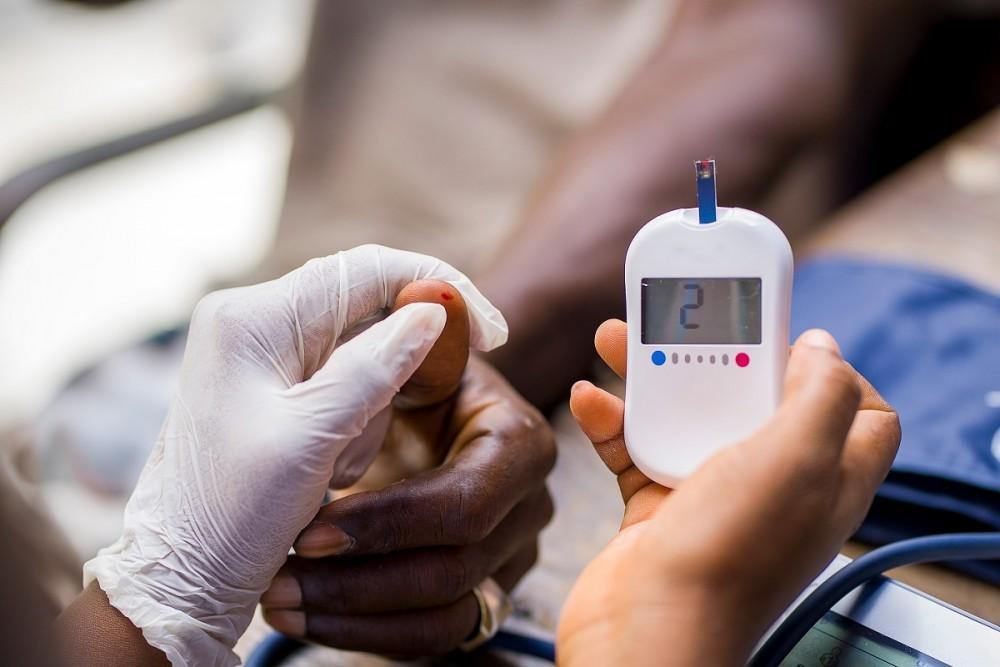
Blood Sugar Test
Measures active glucose levels to diagnose metabolic efficacy and diabetes.
Requires 8 hours of fasting for fasting glucose, or standard post-meal timings.
Identifies pre-diabetic indicators early, allowing proactive diet changes.
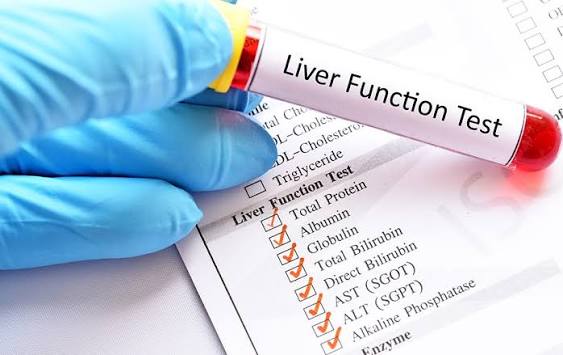
Liver Function Test (LFT)
Evaluates levels of liver enzymes (ALT, AST), proteins, and bilirubin components.
Requires fasting for 10 hours. Disclose medication histories.
Detects fatty liver changes, hepatitis strains, and chemical toxicity signs.
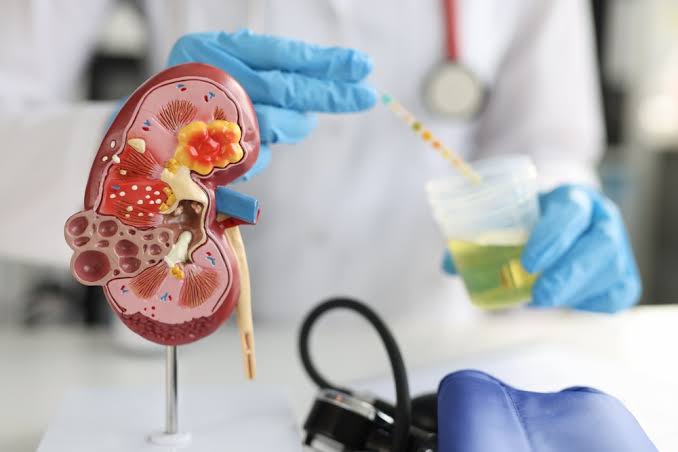
Kidney Function Test (KFT)
Measures urea nitrogen (BUN), creatinine levels, and glomerular filtration rates.
Standard hydration. Avoid excess protein consumption before the test.
Confirms renal filtration capability and catches early chronic renal risks.
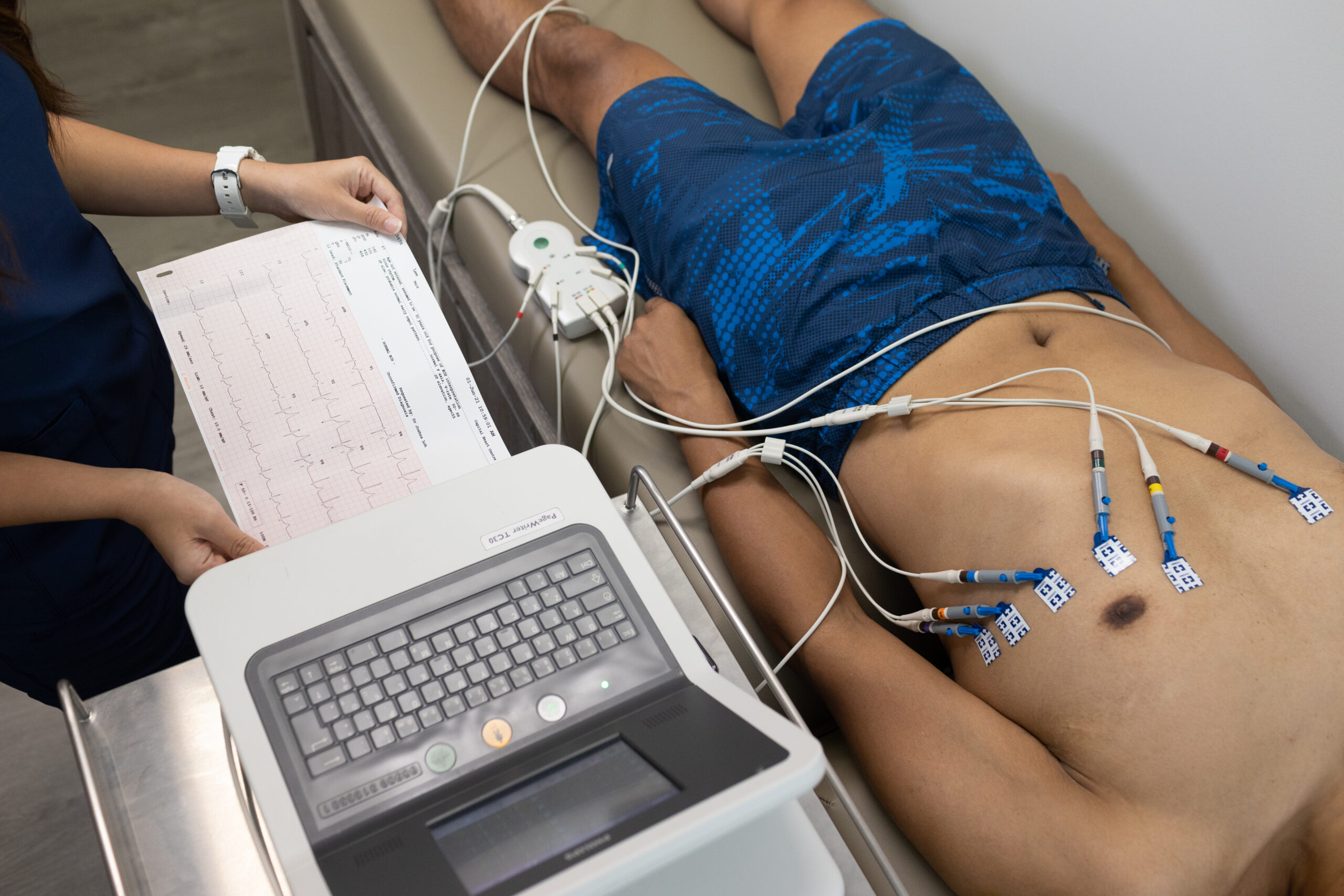
Electrocardiogram (ECG)
Records electrical impulses of the heart to analyze physical contraction patterns.
Avoid heavy exercise or caffeine immediately before the recording.
Diagnoses arrhythmias, tissue damages, and cardiac workload capacities.
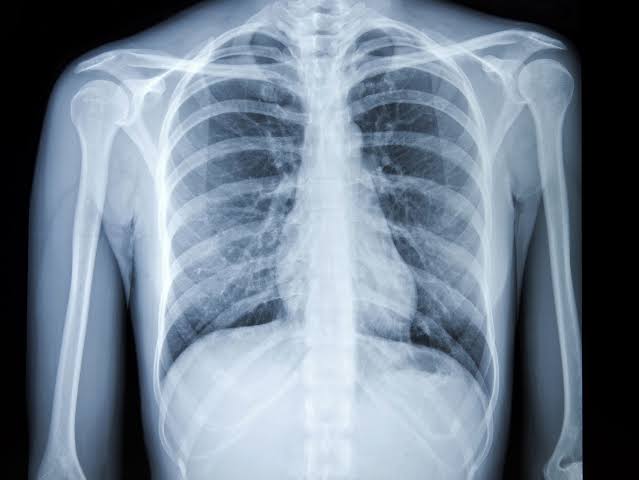
Chest X-Ray
Visualizes cardiovascular structures, pulmonary tissue, and thoracic skeletal alignments.
Requires removing metallic items. Gown provided at facility.
Identifies pulmonary congestion, infections, cardiomegaly, and lung states.
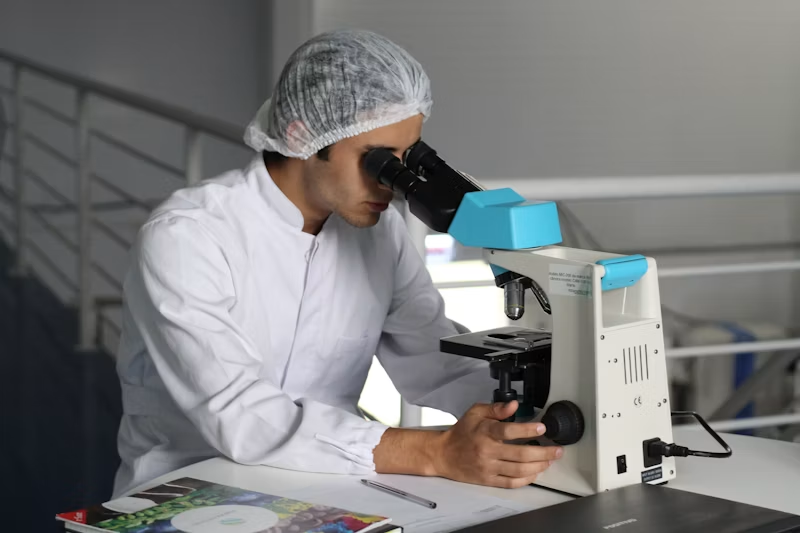
Vitamin D Test
Quantifies concentrations of 25-hydroxyvitamin D inside blood plasma.
No specific fasting guidelines. Maintain standard hydration.
Evaluates bone density profiles, calcium absorption, and immune support.
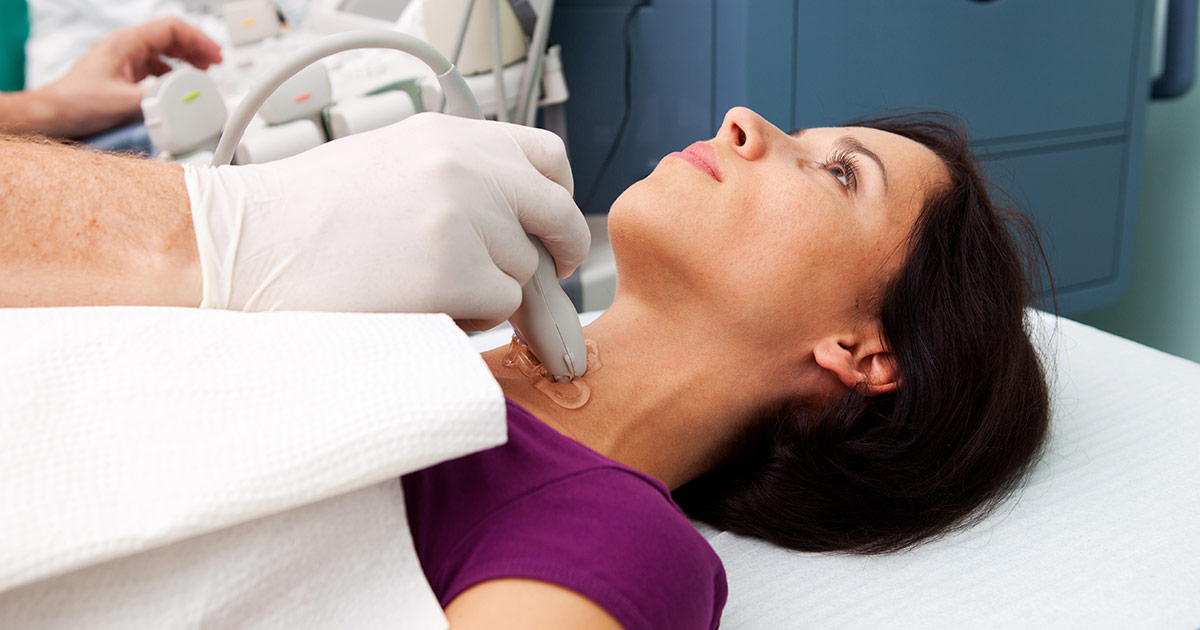
Thyroid Test (TSH / T3 / T4)
Measures thyroid-stimulating hormone levels and thyroid secretions in serum.
Standard blood draw. Disclose hormonal medications to clinician.
Diagnoses hyperthyroidism and hypothyroidism, decoding energy drop triggers.
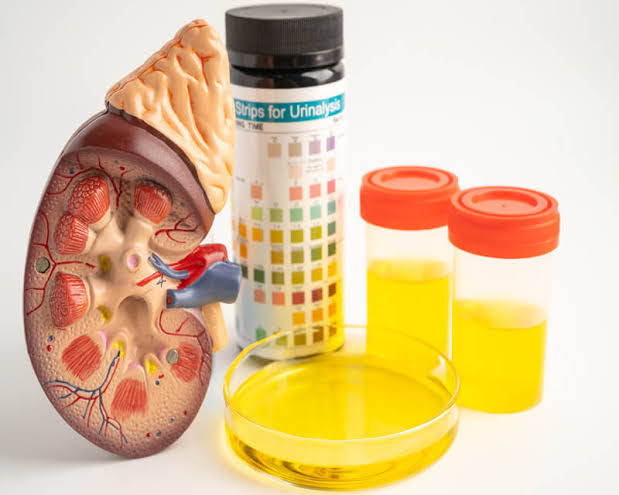
Urine Analysis
Conducts physical, chemical, and microscopic tests on urine samples.
Collect clean-catch midstream sample using sterile vial.
Detects urinary tract infections, metabolic spill-overs, and renal leakages.
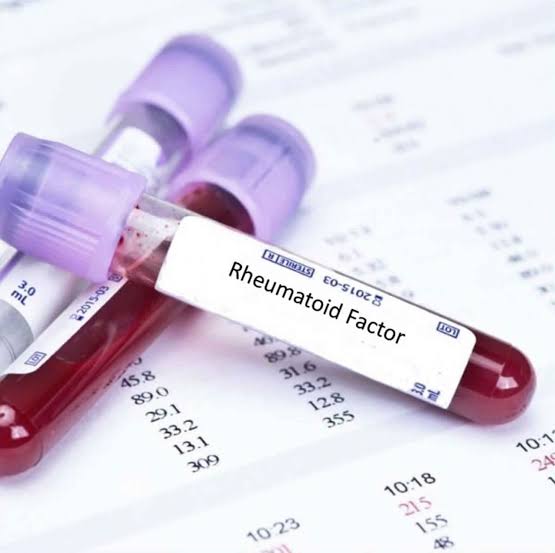
Rheumatoid Factor (RF) Test
Identifies the presence of autoimmune rheumatoid factor proteins in blood serum.
No specific fasting guidelines. Rest properly before drawing samples.
Assists in diagnosing active rheumatoid arthritis and related tissue inflammation.
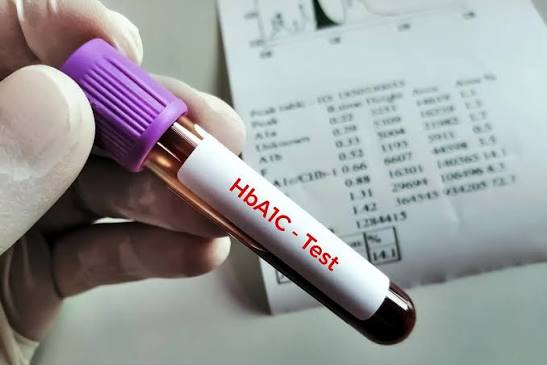
HbA1c Glycated Hemoglobin Test
Examines average glycemic concentration records over the preceding 3 months.
No fasting required. Test can be conducted at any time of day.
Highly reliable standard diagnostic for diabetes monitoring and trend assessment.
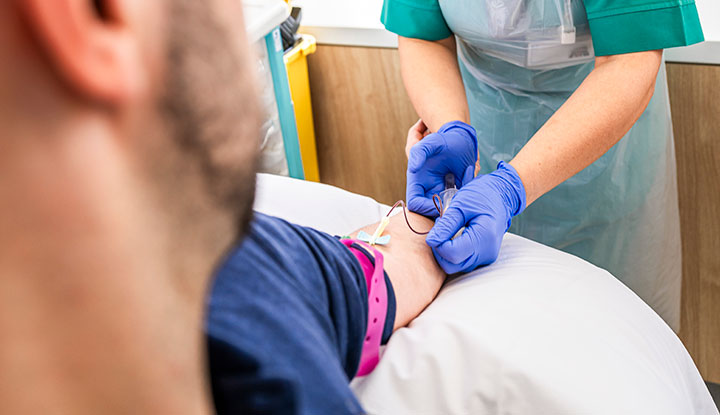
Calcium Serum Test
Evaluates concentration values of calcium minerals circulating within blood serum.
Standard blood collection. Disclose any dietary supplement habits.
Monitors bone density diseases, parathyroid function, and muscle conductivity.
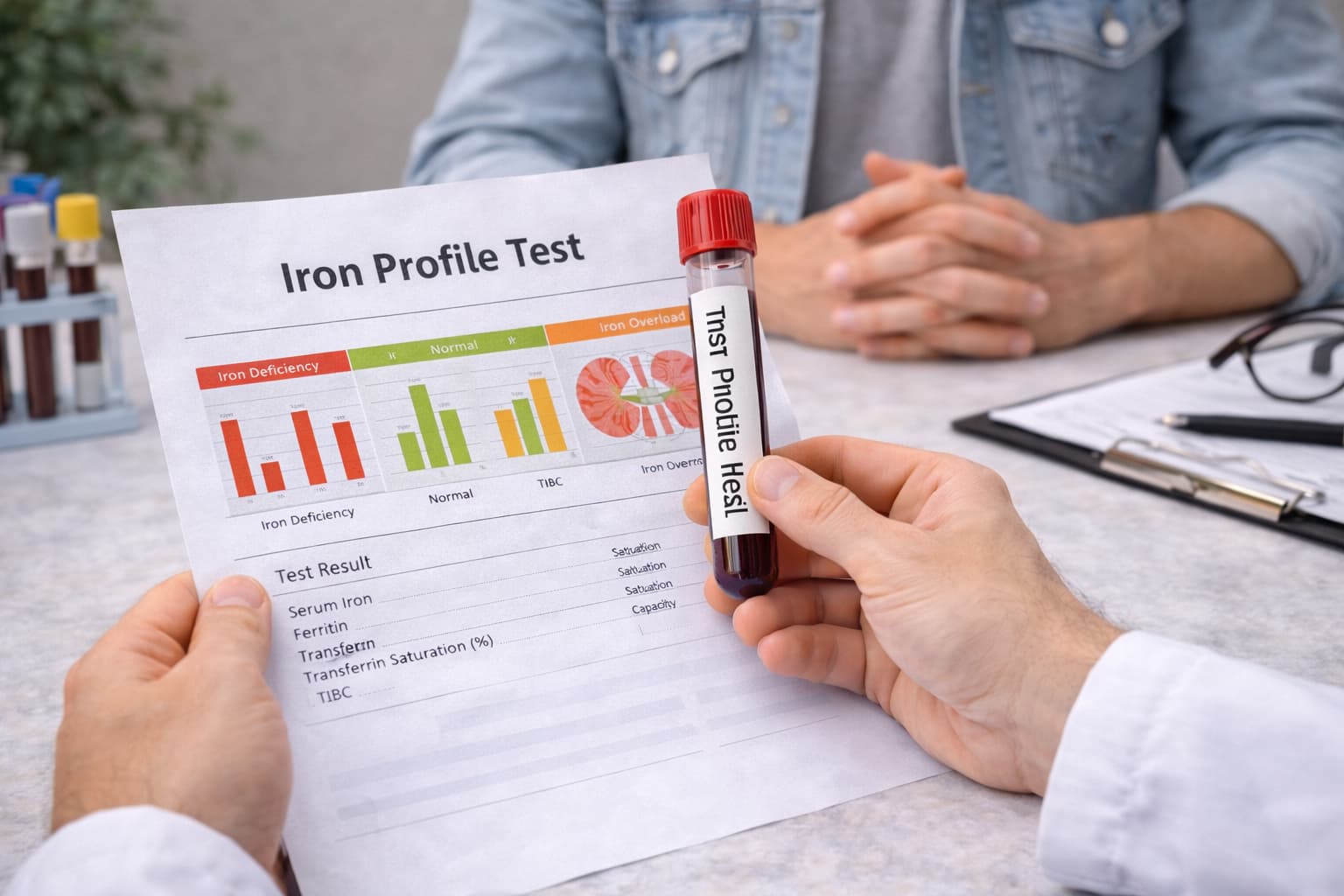
Iron Studies & Ferritin Panel
Measures active iron levels, total iron binding capacity, and ferritin reserves.
12-hour fasting required. Avoid iron supplements 24 hours prior.
Diagnoses chronic fatigue reasons, anemia variations, or iron storage overload.